



Education Supplements Trust Fund?
In 2025, the SC General Assembly passed S.62 (Act 11), which established the Education Scholarship Trust Fund , an ESA-style program providing education scholarships for students in grades K-12. This action completed the pre-K to college scholarship spectrum for the Palmetto State. (The state already sponsored private college scholarships (Tuition Grants, 1971; 1973) and private pre-K scholarships (First Steps, 1999).) Unfortunately, in 2026, with the ESTF program up and running, some members of the General Assembly are remembering certain details of S.62 differently than we do. These legislators—who

Dr. Oran Smith Delivers Testimony on ESTF “Homeschooling” Bill
I recently testified before a Senate Education Subcommittee regarding S.692, which would eliminate “Option 4” homeschooling – or, more accurately, “unbundling’ – from the ESTF program. Below is the transcript of my testimony. My remarks have been edited for clarity, since they were not delivered from a prepared text. Palmetto Promise has been the evangelist
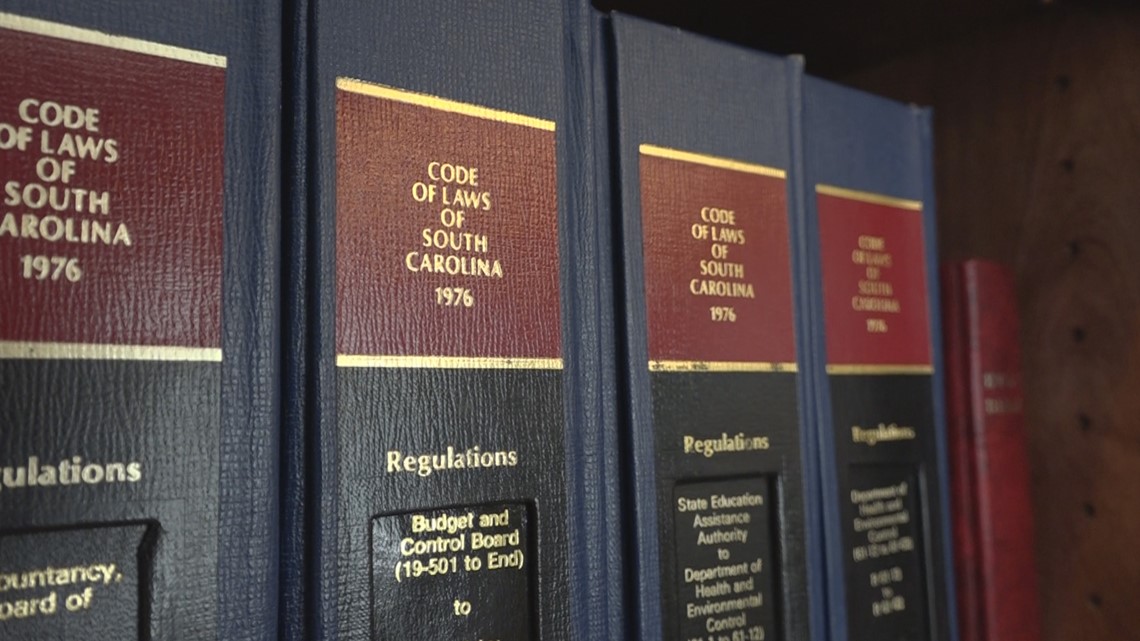

AN OPEN LETTER: Pass the REINS Act
Palmetto Promise Institute Founding Chairman and longtime REINS Act champion Jim DeMint penned this open letter to the South Carolina legislature calling for them to pass the Small Business Regulatory Freedom Act. Dear Members of the South Carolina Senate, I have long believed that smart, transparent, and accountable regulation is essential to the livelihood of South
Promoting Public Policy that Helps South Carolinians Flourish