Restoration and Rainy Days: The Budget that Almost Was
When the COVID-19 madness hit, the Governor and the House of Representatives had already had their crack at the state budget for the fiscal year beginning July 1, 2020.
Note: The regulatory environment during COVID-19 is a quickly developing issue, so we will update this post regularly with new information. The medical necessities of the COVID-19 pandemic have identified regulations—some perhaps legitimate, many unnecessary—which have been suspended to boost South Carolina’s healthcare capabilities, and respond to the pressing needs of workers, small businesses, and our economy.
Governor McMaster, along with South Carolina agencies, have been waiving healthcare regulations and red tape during this crisis, but there is more to be done. View our list of South Carolina’s deregulatory moves so far. Here is the short list of new ideas for additional flexibility that could make a real difference. This situation is
The medical necessities of the COVID-19 pandemic have identified regulations—some perhaps legitimate, many unnecessary—which have been suspended to boost South Carolina’s healthcare capabilities, and respond to the pressing needs of workers, small businesses, and our economy. Many actions have been by Executive Order of the Governor. Others have come directly from state agencies adapting to
An old fight, in a new arena…? Turf battles between the Governor and General Assembly are nothing new in the Palmetto State. Due to a relatively weak executive branch established by our state’s Ben Tillman-era constitution, more often than not, the Governor ends up with the short end of that stick. The specter of The
This article originally appeared in The Hill. The choice we face as a nation in this crisis is not between protecting our citizens or protecting the economy. Our ability to take care of each other with food, clothing, housing, security, health care, and basic government services is dependent on the capacity of the private sector to
Note to parents: this edition of the weekly report from Palmetto Promise has more hyperlinks than usual. It is our hope that this hearty post will not only serve as a policy update but provide a ready lesson for young minds who are being educated at home during the COVID-19 social distancing effort. I don’t
Since the outbreak of novel coronavirus COVID-19, the most urgent public conversations have focused on healthcare preparedness—the availability of beds (particularly in ICU), equipment (especially respirators), and healthcare professionals (physicians and nurses). That’s why much of the executive action at both at the federal and state level has focused on increasing capacity and easing restrictions
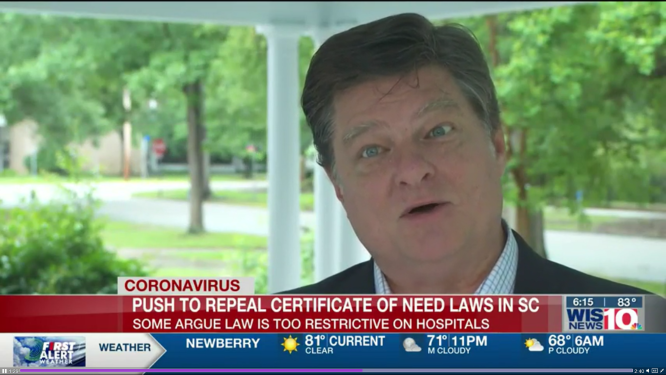
When a crisis comes, often the best thing government can do is get out of the way. That is certainly true for healthcare. Whether arcane Certificate of Need regulations or restrictions on doctors practicing across state lines, the coronavirus crisis has been a wakeup call to the regulatory state, leading to questioning whether these restrictions