The Palmetto State’s Faulty Asset Forfeiture System Continues to Roll Along
It’s been more than 18 months since the Court first heard the case and the state’s civil asset forfeiture system continues uninhibited.
Big Tech is a big problem. Whether one is a Republican or Democrat, rich or poor, there is near universal agreement that this massive online oligarchy is out of control. But the proposed solution getting the most attention is in many ways worse than the problem – and it doesn’t even address what concerns us most. Sound familiar?
H.4586 would open up the opportunity for criminal record expungement to more people and bring South Carolina’s criminal record expungement laws in line with the rest of the nation.
South Carolina lost 441 farms between 2012 and 2017, especially in rural counties. Part of that is surely due to broader trends of market consolidation as well as a slough of untimely droughts and hurricanes – but could outdated and entrepreneurship-killing regulations be contributing too?
Governor McMaster’s COVID-19 advisory team, AccelerateSC, recently released its recommendations for how to spend the $8.89 billion allocated to South Carolina by the American Rescue Plan Act. Additional funding from the American Rescue Plan could dramatically expand operations to support more South Carolina farms and feed families in need.
So, what was “The Infrastructure Bill,” and what does it mean for our nation’s future? Here are 7 key facts you need to know.
Known in the state laws by the quaint term “cottage food,” the current South Carolina statute allows for the sale of candy or baked goods made in one’s home. But the same law prohibits home-based food merchants from taking orders ahead of time, selling online, or in retail outlets.
If the Palmetto State doesn’t take advantage of this opportunity now, we could lose out on potential business opportunities to neighboring states like Florida as well as North Carolina and Tennessee, the latter of which will most certainly adopt legislation soon.
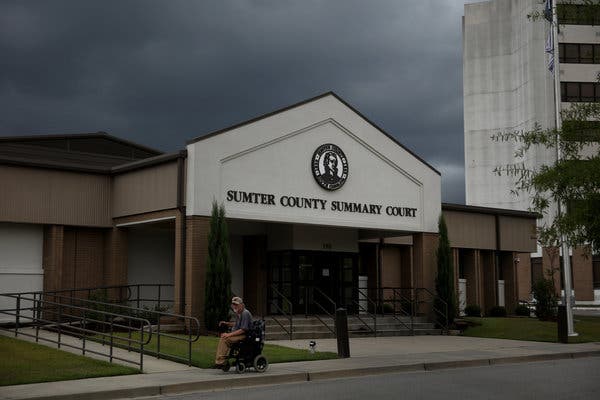
South Carolina’s magistrate system is broken. Reporting by Joseph Cranney of The Post and Courier in 2019 revealed a system of corrupt appointments, insufficient legal training, and consistent miscarriages of justice by magistrates in South Carolina’s summary courts.