The Energy Equation: Embracing Data Center Innovation While Protecting Ratepayer Wallets

If your thermostat is currently set to “Antarctica,” utility companies have a favor to ask: maybe bump it up to something closer to “cool breeze.” As South Carolina faces a brutal heatwave this week—with heat indexes hitting triple digits across much of the state—the pressure on our power grid is hitting new highs. On Monday,
South Carolina’s electricity market is at a crossroads. Composed of utilities operating under a vertically integrated model with limited competition, the state faces growing pressure to reduce costs, find new generation, and ensure long-term grid reliability. While efforts like the Southeast Energy Exchange Market (SEEM) have introduced modest reforms among a subset of utilities in
Energy policy has long been a balancing act between market competition and regulatory oversight. Traditionally, South Carolina’s electricity market has been dominated by vertically integrated, monopoly utilities that control all three aspects of the power system—generation, transmission, and distribution. So, the Palmetto State has leaned toward regulation. But a relatively simple and proven reform is
This op-ed by Dr. Oran Smith was originally published in the SC Daily Gazette. It is no secret that South Carolina has become a magnet for business, industry, and people. Since 2007, our population has grown by over one million, and the U-Hauls keep coming. The in-migration boom includes manufacturing and high-tech industries as well. This generational change
South Carolina is at a turning point. With one of the fastest-growing populations in the country and a booming economy, the demand for reliable, affordable energy has never been higher. Yet, our outdated energy system—dominated by utility monopolies—is struggling to keep up. Without modernization, we risk not only higher costs but also potential energy shortages
With the launch of a brand new 2025-26 legislative session, all bills that did not pass in 2023-24 were officially pronounced dead. Unfortunately, energy generation expansion and reform were among the key areas that saw no movement in the last General Assembly. But a conversation between Senate and House had begun. That’s progress. So, what
South Carolina is facing an energy crisis. In 2016, the average energy bill was higher for South Carolinians than for energy customers in any other state. We are still in the top five both nationally and in the Southeast. And it looks like power giant Santee Cooper is set to raise rates even higher. On
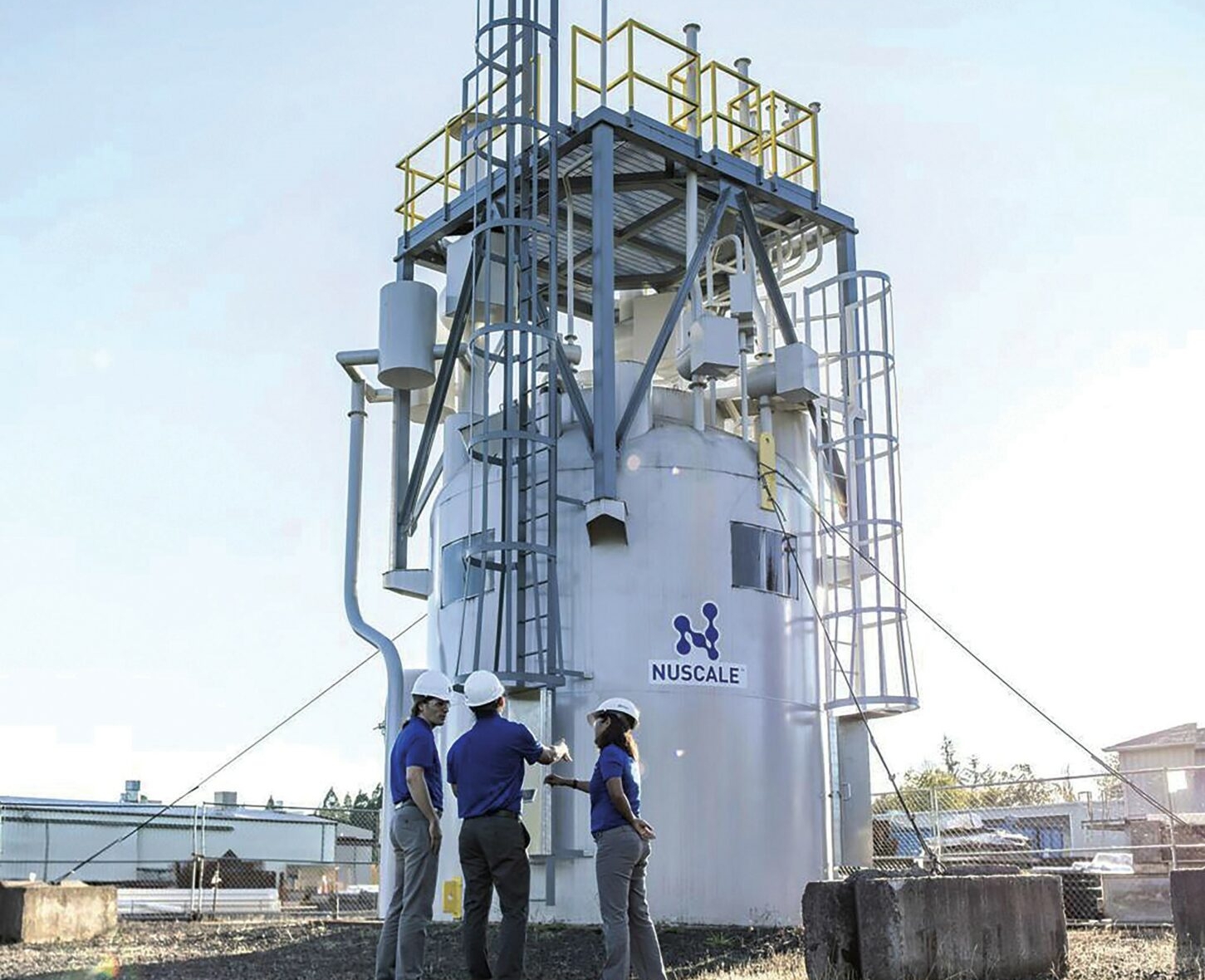
We are excited to share our latest energy report, which looks at the possibility of Small Modular Reactors (SMRs) as a solution to what is undoubtedly an energy crisis in South Carolina. DOWNLOAD THE FULL REPORT. What is the current state of energy in South Carolina? South Carolina’s energy status is characterized by outrageous costs
A new study released today by Palmetto Promise Institute (PPI) and The Conservative Energy Network (CEN) titled "Assessing the Spectrum of Reform: How Collaboration & Competition in South Carolina Could Help Lower Some of America's Highest Electricity Bills" examines how electricity competition could save Palmetto State residents money.