In 2023, the South Carolina General Assembly passed Act 20, partially repealing the state Certificate of Need law, a statute that had made it more difficult to build new healthcare facilities and stand up new healthcare programs in the Palmetto State. Before Act 20, a government permission slip was needed in order for a private healthcare entity to build anything.
Palmetto Promise Institute has been advocating for CON repeal for several years. This further partial repeal is one more step in the right direction for healthcare access in South Carolina, but more work is needed.
What are Certificate of Need Laws?
Certificate of Need (CON) laws go back to the 1970s. They require health care facilities to receive approval from the state before, for instance, building a new hospital or purchasing equipment. By limiting the number of similar health care services available in an area, CON laws were intended to prevent unnecessary spending, ensure that major investments in health care facilities and equipment were justified by local demand, and provide funding for uncompensated care or community benefit.
Legislators long defended CON laws by arguing that they help cross-subsidize health care for low-income patients. The hope was that by limiting the number of facilities that were able to enter the market, lower competition would increase profits for entities with Certificates, and those profits could then be used to cover care for lower-income patients.
However, CON had the opposite effect. The Mercatus Center calculated that in South Carolina there were “…approximately 6,331 fewer hospital beds, between 10 and 19 fewer hospitals offering MRI services, and between 33 and 41 fewer hospitals offering computed tomography (CT) scans” due to CON.
What is South Carolina’s Certificate of Need Repeal?
A repeal of CON laws was necessary to give South Carolinians the best quality of care. The result of Act 20 was that the following establishments no longer need a certificate of need to construct a new facility:
- Ambulatory surgical facilities (ASFs)
- Opioid (narcotic) treatment programs
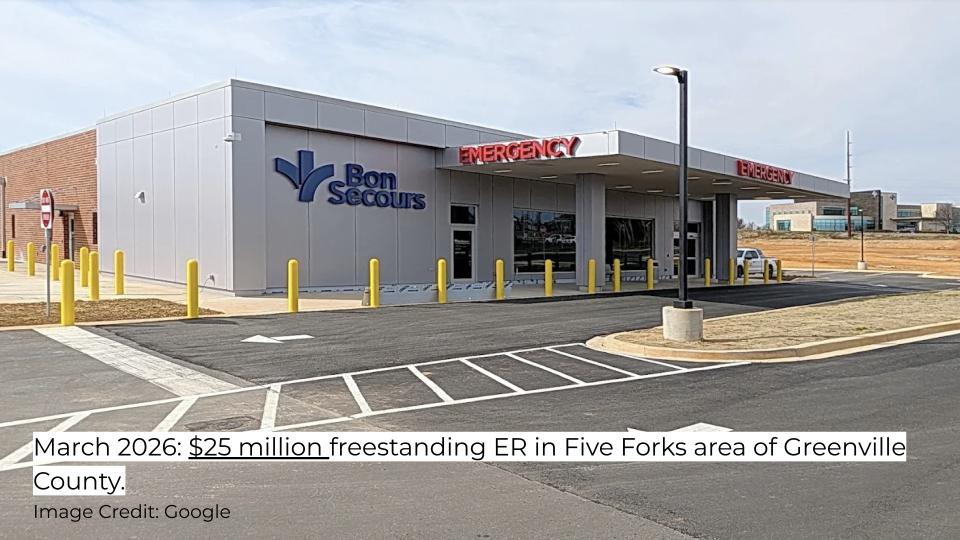
- Freestanding emergency departments
- Hospice facilities
- Residential treatment facilities for children and adolescents
- Cardiovascular care services
- Radiation therapy services (linear accelerators)
In response to the passage of Act 20, the Department of Health & Environmental Control, and later the Department of Public Health, took a number of actions. These included: notifying CON holders of projects no longer requiring CON; notifying applicants of projects still requiring CON; notifying applicants of projects no longer requiring CON review that their submitted applications will not be processed; publishing Frequently Asked Questions on the DPH website, and developing guidance to help the regulated community navigate and obtain any applicable Healthcare Quality approval(s).
What were the Findings of the Certificate of Need Committee?
Act 20 created the Certificate of Need Committee to determine how this repeal affects South Carolinians, especially in rural areas. The committee published its findings on June 5, 2024. As stated in Act 20, after completing its report, the committee was dissolved.
Since many of the CON regulations of hospitals are still in place until January 1, 2027, the committee based its findings on evidence from other states. The committee believed that the repeal of CON laws will lead to:
- An increase in the number of hospitals from 82 to 116 hospitals
- An increase in ambulatory surgical facilities (ASFs) from 70 to 82 facilities
- An increase in rural hospitals
- Reports show that states with CON laws have 5.08 hospitals per 100,000 rural residents. However, states without these laws have 7.31 hospitals per 100,000 rural residents.
The Impact of CON Repeal on Healthcare Facility Construction
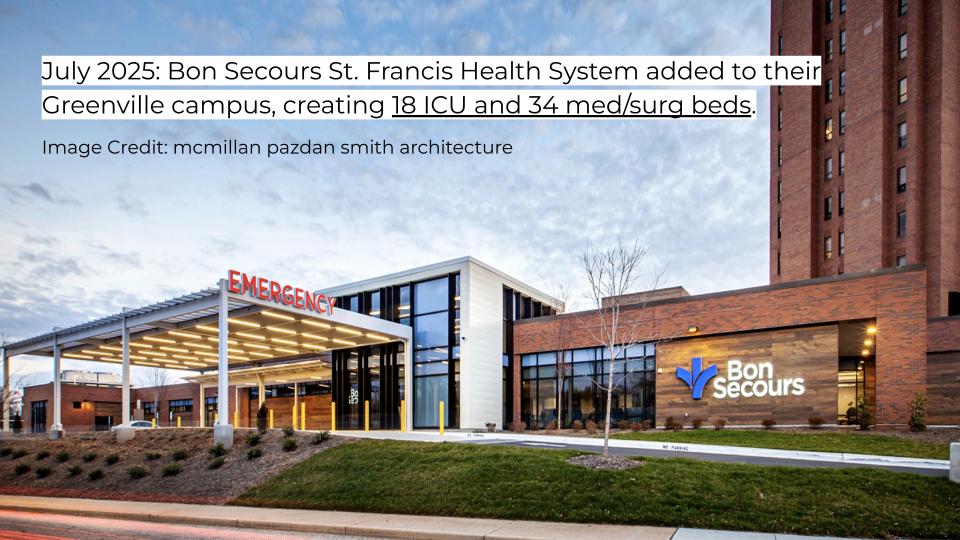
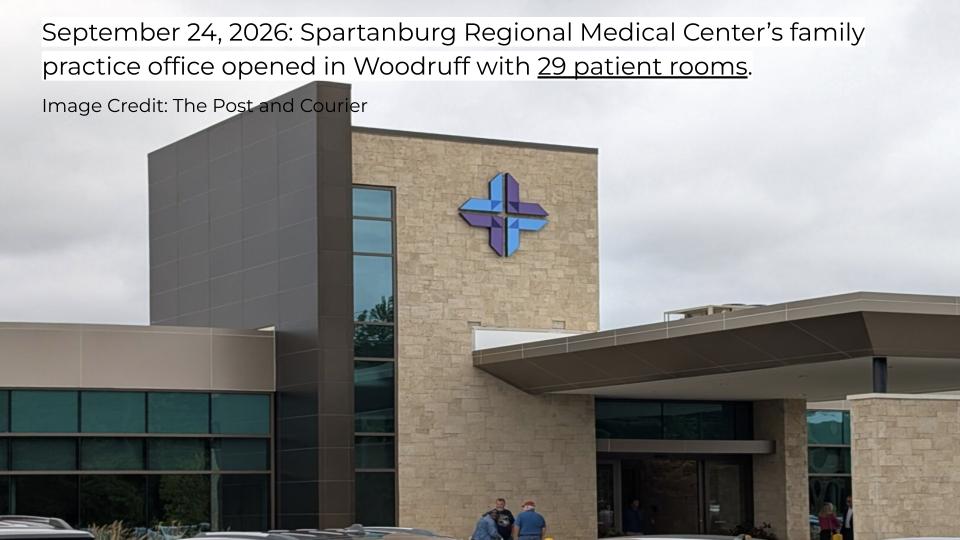
As a result of CON repeal, new healthcare facilities are popping up all over South Carolina. This is expected only to increase when the CON requirement for acute care hospitals sunsets on January 1, 2027.
A review of CON applications and other public and private data indicates that CON was repealed on May 25, 2023. Since the repeal, the state has enjoyed the benefit of the following types of new capital projects and new program launches:
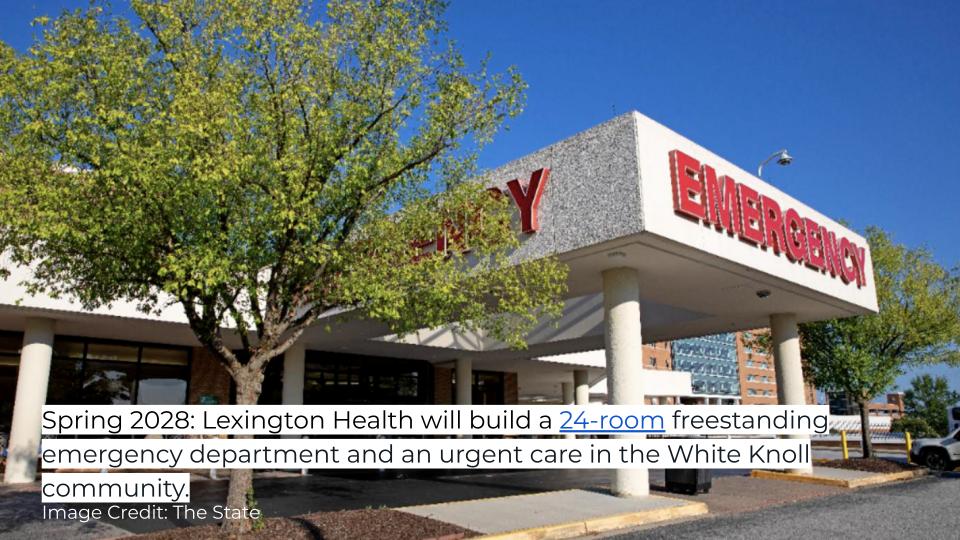
- Spring 2028: Lexington Health will build a 24-room freestanding emergency department and an urgent care in the White Knoll community.
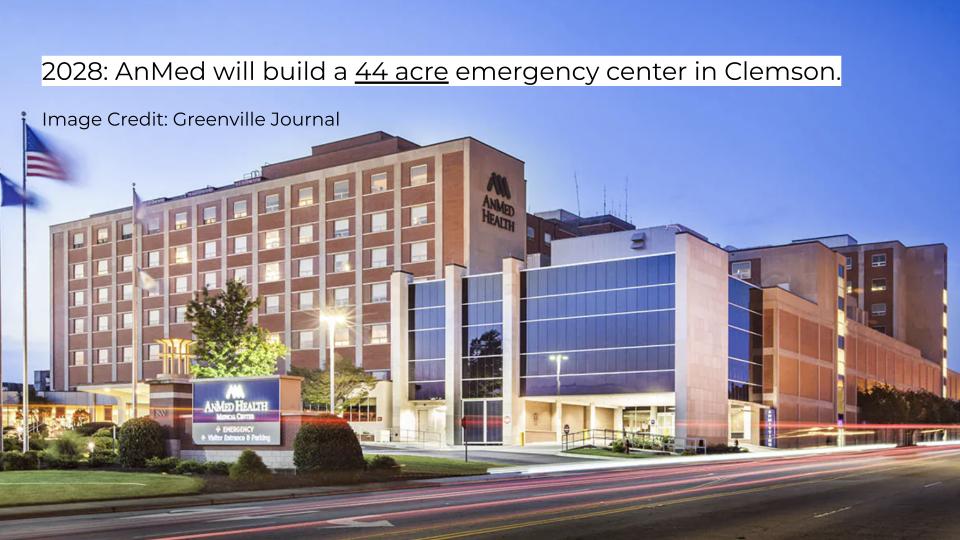
- 2028: AnMed will build a 44 acre emergency center in Clemson.
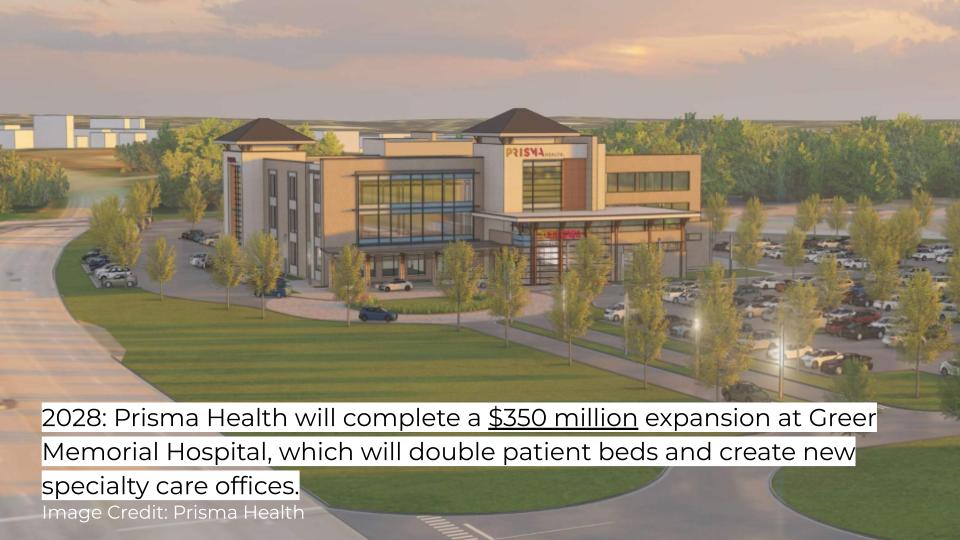
- 2028: Prisma Health will complete a $350 million expansion at Greer Memorial Hospital, which will double patient beds and create new specialty care offices.
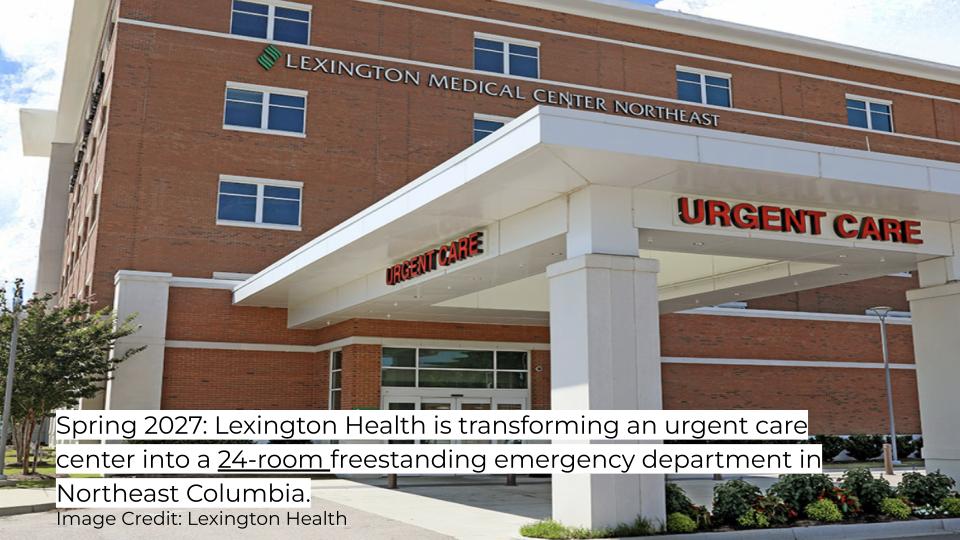
- Spring 2027: Lexington Health is transforming an urgent care center into a 24-room freestanding emergency department in Northeast Columbia.
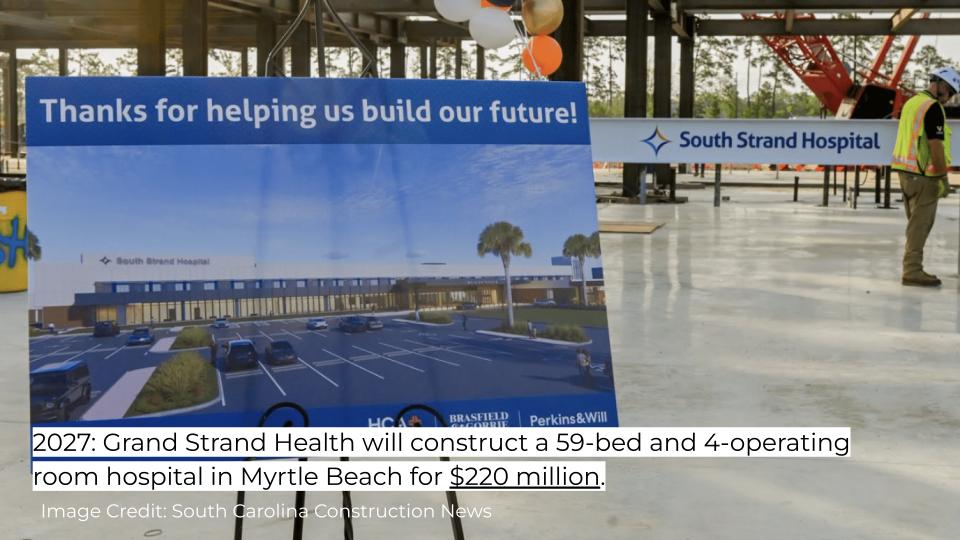
- 2027: Grand Strand Health will construct a 59-bed and 4-operating room hospital in Myrtle Beach for $220 million.
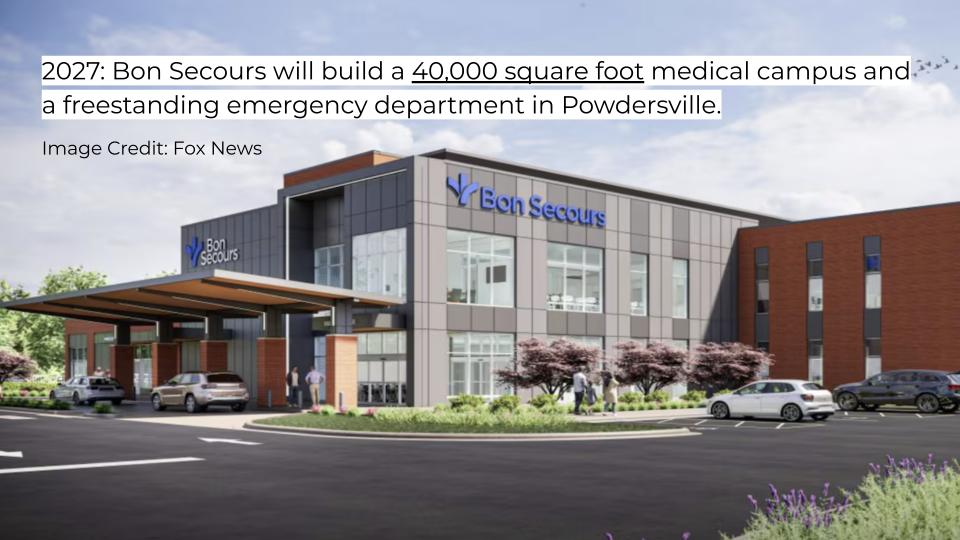
- 2027: Bon Secours will build a 40,000 square foot medical campus and a freestanding emergency department in Powdersville.
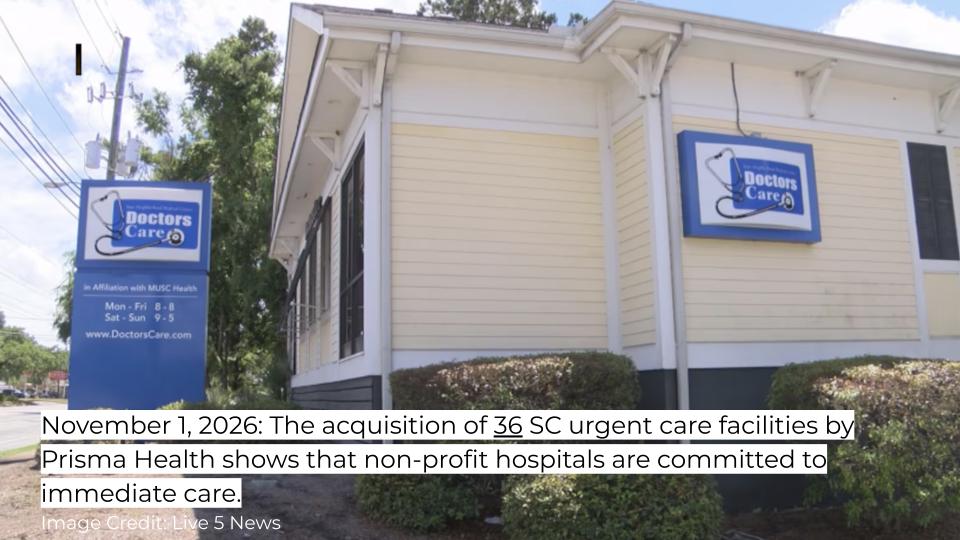
- November 1, 2026: The acquisition of 36 SC urgent care facilities by Prisma Health shows that non-profit hospitals are committed to immediate care.
What is Next for Rural Health Care?
Certificate of Need repeal in South Carolina was only the beginning of providing better quality access to health care in South Carolina. The barriers to access do not exist in a vacuum. The Certificate of Need Committee encourages increased legislation and funding, such as passing laws that use technology to increase treatment opportunities and financing health care workforce programs.
In South Carolina, 17% of counties do not have a hospital or ambulatory surgical facility (a facility organized and administered for the purpose of performing surgical procedures for which patients are scheduled to arrive, receive surgery, and be discharged on the same day). All of which are rural counties.
For fiscal year 2026, South Carolina was awarded $2,030,252 in federal funding through the Rural Health Transformation (RHT) Program, administered by the federal Centers for Medicare & Medicaid Services (CMS). This funding is meant to be applied to initiatives that improve health care within rural communities. CMS has indicated that whether a state has passed Certificate of Need repeal legislation and/or expansion of scope of practice for NPs and PAs will be factors in their decisions regarding future grants.
It is our hope that the repeal of Certificate of Need and targeted grants will revolutionize how South Carolina provides care to rural communities and make us a healthier state.
We hope you enjoy our slideshow of some of the beautiful new facilities sprouting up all over the Palmetto State.