McMaster’s Final Address: A Speech Rife with (Palmetto) Freedom
On Wednesday of this week, Governor Henry McMaster gave his final State of the State Address before a joint assembly of the Senate and House of Representatives. His speech was full of rich South Carolina history, policy priorities, and—most importantly—hope. He outlined a pathway for freedom and prosperity that is well within our grasp; a pathway that, if properly implemented, could improve the lives of countless South Carolinians for years after his decade in office.
Speaking of freedom…
A number of Governor McMaster’s policy priorities align with those of our 2025-26 Palmetto Freedom Agenda, including:
Reducing Income Taxes
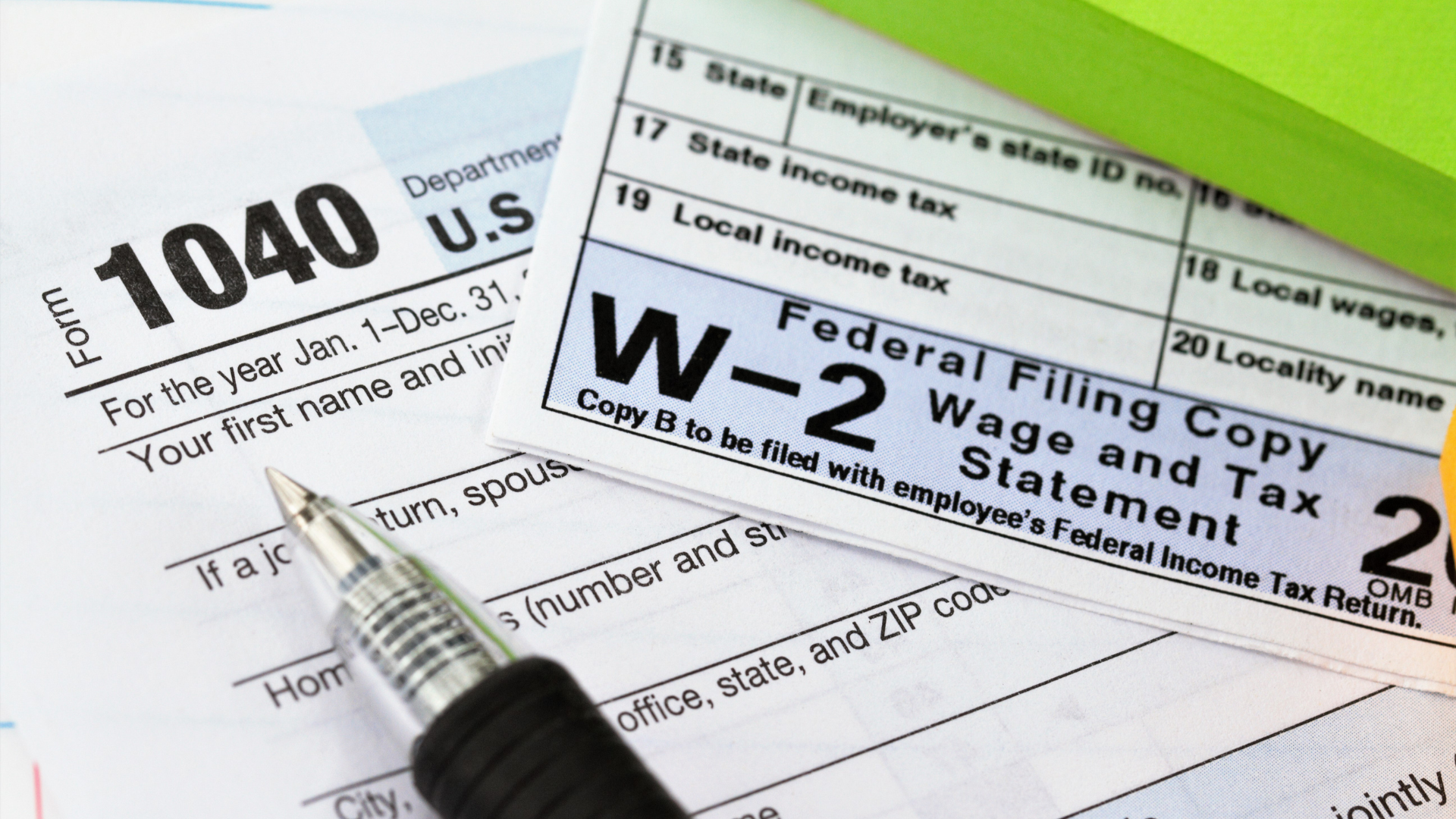
Palmetto Promise Institute has been a leader in calling for comprehensive tax reform since our founding, and Governor McMaster has proven to be a champion of a key part of that agenda: speeding up the reduction of the individual income tax rate.
In his speech, McMaster pledged that if the General Assembly could present him with a bill to eliminate the personal income tax entirely, he would “…sign it the second it arrives on my desk.” H.4216, which has already passed the House, was recently reported out of the Senate Finance Committee, would set South Carolina on a path toward a 0% income tax.
Expanding School Choice
Palmetto Promise Institute introduced the Education Scholarship Account (ESA) to South Carolina. Our current school choice program, based on that model, the Education Scholarship Trust Fund (ESTF), has a capacity for 15,000 students for the upcoming school year, the vast majority of which are students whose families earn 300% or less of the federal poverty line or who are active duty military. We fully expect that every seat will be filled before the next application window opens (to the general public, i.e. any family making less than 500% of the federal poverty level), and that we will have a robust waiting list.
To address this demand, Governor McMaster has called for expanding the program beyond the statutorily-mandated minimum of 15,000 students. In his final Executive Budget, he has requested funding sufficient for 20,000 scholarships of about $7,600 each. On January 14th, South Carolina Superintendent of Education Ellen Weaver echoed his support for expansion, and even proposed that the legislature expand the program to 25,000 students. If you are interested in the entire South Carolina Department of Education budget request, you can find the video archive of the House Ways and Means Committee, Public Education and Special Schools Subcommittee meeting in the state video archives; alternatively, you can view a summary of the SCDE budget request here.
To any eligible families who may be reading this and are assuming that they shouldn’t bother submitting an application only to be waitlisted—don’t be discouraged, apply! Seats open throughout the year for a number of reasons, and by building a robust waitlist of eligible families, it helps make the case for more funding for additional seats in future years.
Achieving Energy Abundance
Palmetto Promise Institute has called for finishing the abandoned V.C. Summer Units 2 and 3 and for an energy policy that reaches beyond state-owned Santee Cooper and the monopoly Investor-Owned Utilities.
Governor McMaster called for continuing the United States’ “nuclear renaissance” with the continued revival of V.C. Summer to further support our electricity infrastructure. The two reactors at that station will raise our total number of reactors in South Carolina to 9 and increase our already significant percentage (over 50%!) of nuclear-generated power in the state.
We agree that an increased energy infrastructure is necessary to support the future business needs of the state, but our primary focus is how that energy infrastructure affects the taxpayer and the ratepayer. By increasing energy supply—by both generating it and “wheeling” it in—we will naturally lower the cost of energy to consumers thanks to the laws of supply and demand.
This effect could be further supported by exploring new and innovative approaches to power generation, such as exploring South Carolina’s natural gas resources more fully, developing small, modular reactors that can power neighborhoods rather than large, bulky nuclear stations, allowing large energy users a choice in provider, and encouraging even broader energy retail competition.
Passing Meaningful Judicial Selection Reform
Palmetto Promise Institute has also been a leader in driving the conversation about summary court (magistrate) judicial reform. Our 2021 report lays out all of the key issues that must be on the table if we are to have competent summary courts. McMaster agreed, telling the General Assembly last night:
Magistrate judges should be compensated by the State in the same manner that circuit and appellate court judges are. The law should be changed to require them to be attorneys. They should be screened in a transparent manner and county residency requirements should be eliminated. And the Chief Justice of the Supreme Court should determine how magistrate courts operate to ensure consistency in all 46 counties.
On the broader issue of judicial selection reform, please see our other 2021 report, “Judging the Judges.” McMaster was keen on those reforms as well.
We have selected only four key issue areas from the long list of reforms Governor McMaster touched on last night. But taken together, these reforms have the opportunity to, as Governor McMaster said, “…[make] our South Carolina recognizable as the closest thing we have to heaven on earth.”