Legislative Audit Council will look at South Carolina’s Certificate of Need law


PPI Senior Fellow Oran Smith is interviewed in this article on the upcoming audit of South Carolina's CON law.
PPI Senior Fellow Oran Smith is interviewed in this article on the upcoming audit of South Carolina's CON law.

South Carolina’s Legislative Audit Council (LAC) has voted to conduct a performance audit of South Carolina’s long-standing and anti-competitive healthcare regulations known as Certificate of Need (CON). This decision was in response to a July 16 letter signed by thirteen South Carolina Senators requesting the review.

If the Palmetto State doesn’t take advantage of this opportunity now, we could lose out on potential business opportunities to neighboring states like Florida as well as North Carolina and Tennessee, the latter of which will most certainly adopt legislation soon.

PPI is commended for our work on scope of practice law reform in this article by Philanthropy Roundtable.
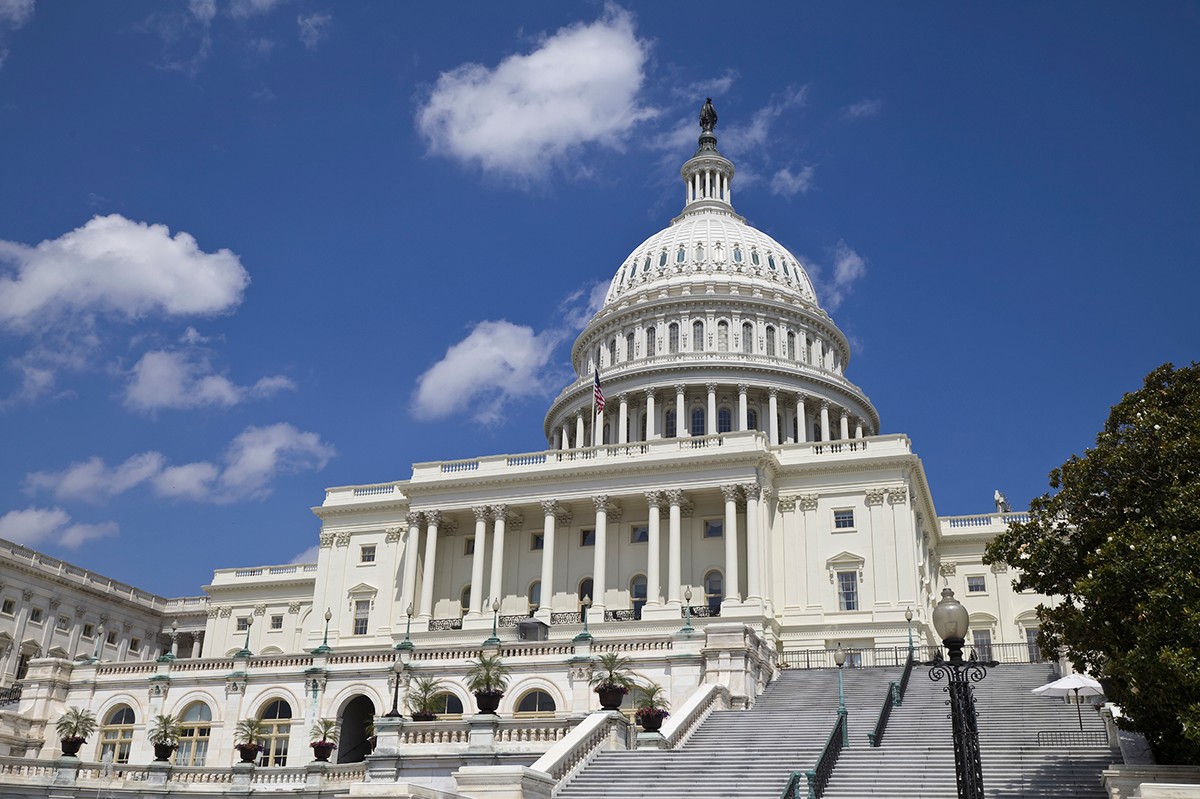
Palmetto Promise Institute recently joined a coalition of free-market organizations to write to the U.S. Congress in opposition to the BRIDGE Act, a flawed bill that purports to close the digital divide in rural communities.

The leading symptoms are a penchant for tax raising and aversion to sunlight, the kind of sunlight that comes from being transparent with people trying to recover from a pandemic about how you are adding to their pain.
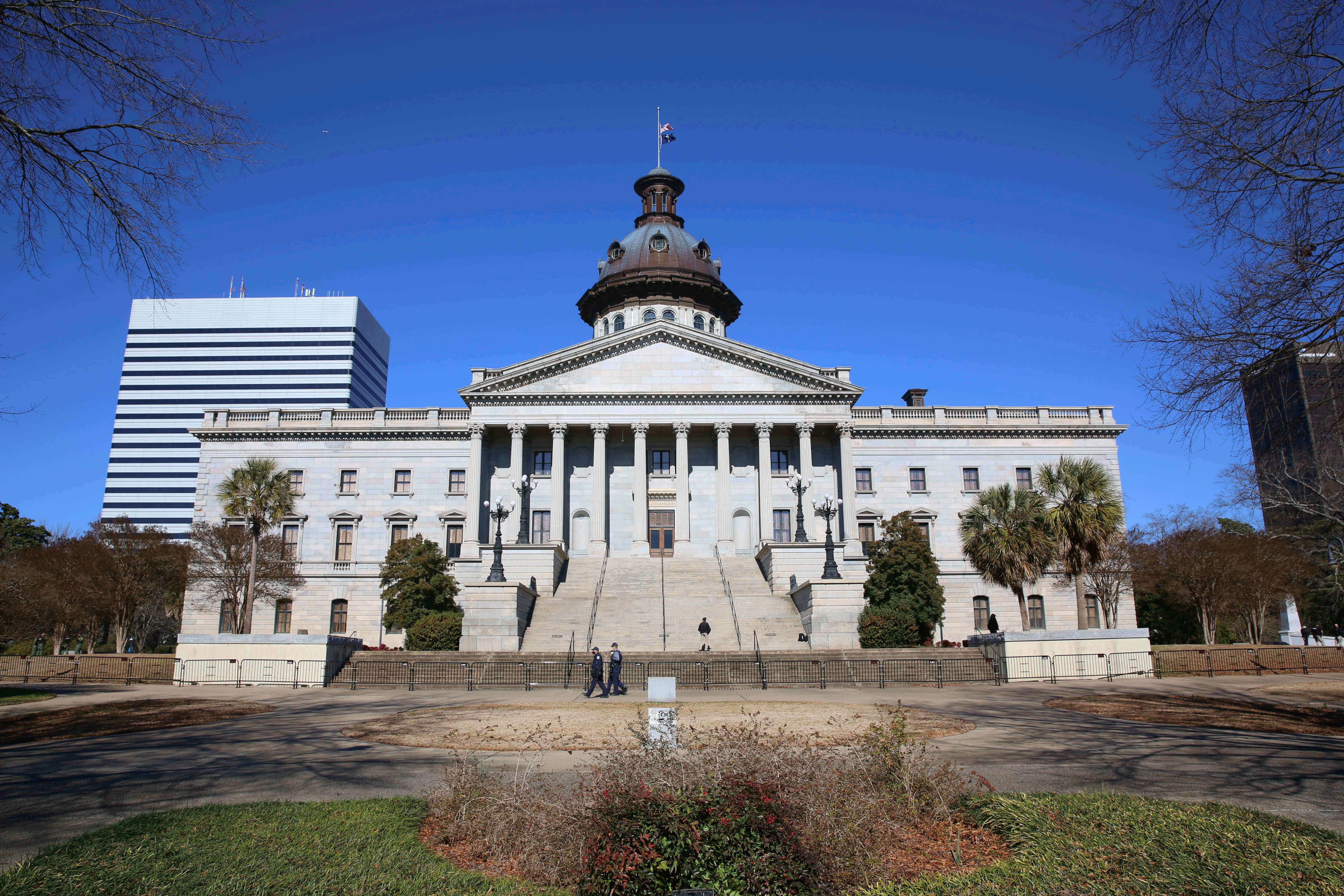
How does the Palmetto State stack up against the other 49 in terms of saving for fiscal catastrophes, both with emergency budget set asides and budget surpluses?
PPI President & CEO Ellen Weaver signed on to this letter, along with policy leaders from across the nation, to urge U.S. Senators to oppose increased government control and regulation of broadband in the BRIDGE Act

South Carolina public schools are seeing a huge influx of new revenue, even as the number of students enrolled declines.
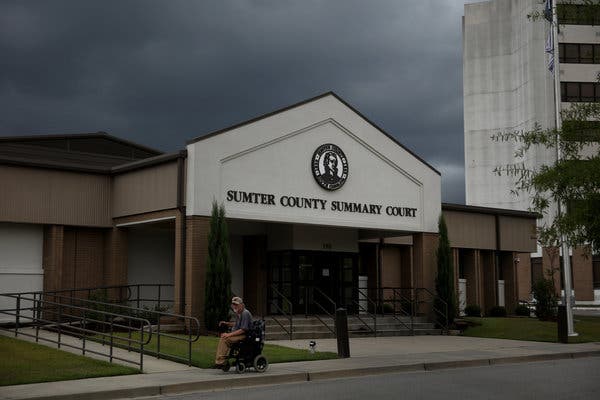
South Carolina’s magistrate system is broken. Reporting by Joseph Cranney of The Post and Courier in 2019 revealed a system of corrupt appointments, insufficient legal training, and consistent miscarriages of justice by magistrates in South Carolina’s summary courts.