Meeting Street Elementary Beats the Odds


South Carolina’s children don’t have to lag behind their peers. Meeting Street Academy is showing a promising path forward for education opportunity in the Palmetto State.
South Carolina’s children don’t have to lag behind their peers. Meeting Street Academy is showing a promising path forward for education opportunity in the Palmetto State.

Is Obamacare here to stay? That’s what it’s proponents would have you believe. But as too many American’s are learning firsthand, it’s still unworkable, unpopular and unaffordable.
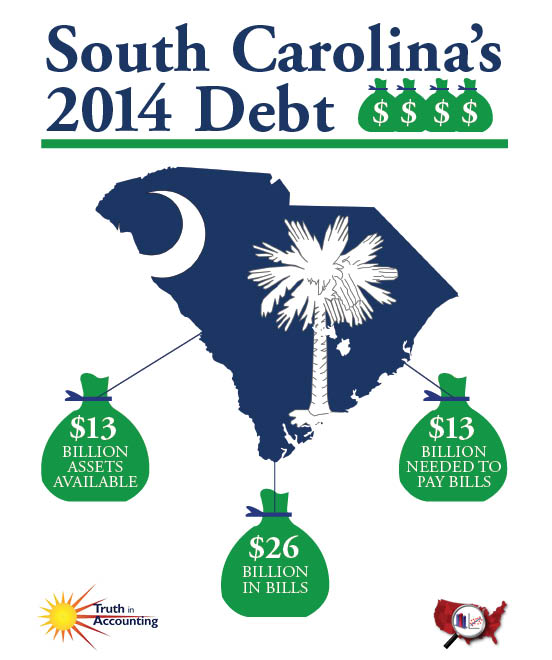
Making good policy decisions requires taking an honest look at our financial picture. And if we don’t look at long-term solutions to deal with our debt problem and uncompetitive tax code, that picture doesn’t look rosy.
Great golf, gorgeous beaches, spicy shrimp and grits, and tea so sweet it’ll knock you into next Tuesday: welcome to South Carolina!
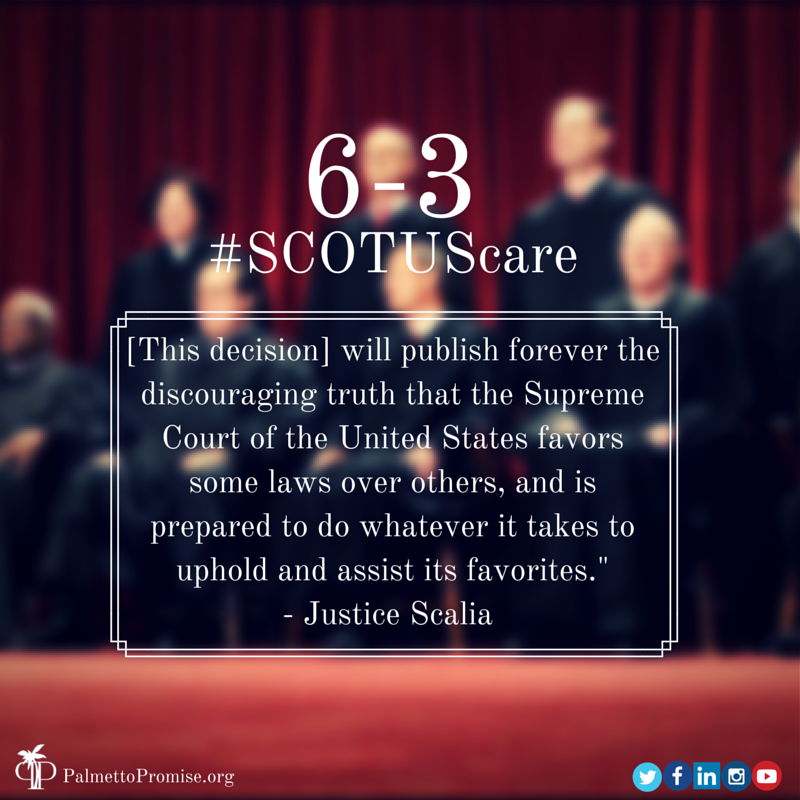
“But there is opportunity here. Though this is the end of a single legal battle, Palmetto Promise Institute and freedom-loving people all over America will continue this fight in the Congress..."
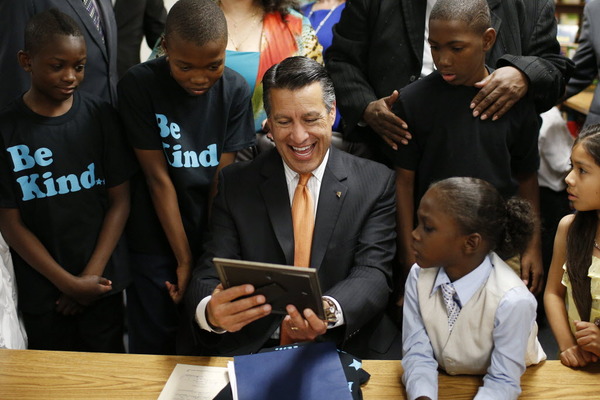
A South Carolina ESA law could help address education needs in our rural communities, take pressure off of communities like Mt. Pleasant that face overcrowded public schools and increase educational options for families across the state, putting more power into parents’ hands.

If King v. Burwell provides them with the opportunity, Congress should heed the overwhelming desire of the American people and create a system that makes healthcare accessible and affordable for each individual American.
Today, Palmetto Promise Institute commended 43 members of the South Carolina House of Representatives for stating that they do not intend to create a state exchange should the U.S. Supreme Court overturns subsidies in the federal healthcare exchange in King v. Burwell court case currently pending before the Court. A Court ruling is expected mid-June.
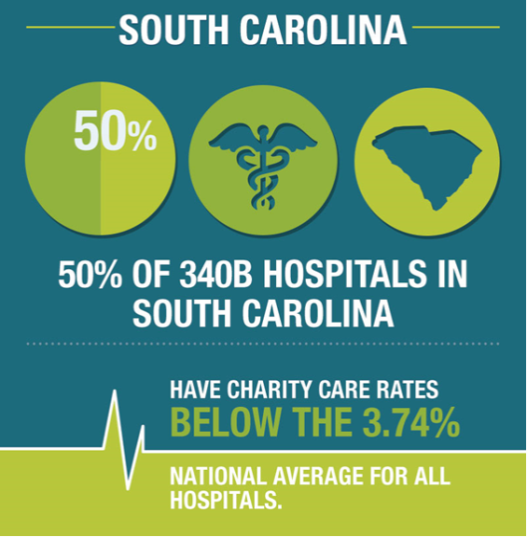
Patients and taxpayers in our states are at the mercy of Congressional action to rein in abuse of 340B and restore the program’s original intent. Despite Congress’ long to-do list, this is one that should be a no-brainer. The time to act is now.

Every American – whatever their belief or political persuasion – has the right to support causes they believe in without fear of harassment, intimidation or invasion of their personal privacy. So what's the state of free speech in South Carolina?